

Introduction
Did you know that the humble cocoa bean is the soul of one of the world’s most beloved creations: chocolate? Yet, beyond its role in confectionery, this small seed is a powerhouse of flavor, nutrition, and economic significance.
Whether you are a master chocolatier, a superfood enthusiast, or an industry professional, understanding the journey of the cocoa bean is as fascinating as it is essential. In this article, we will explore everything from cultivation and processing to health benefits, market trends, and how to source the highest quality beans.
What Is a Cocoa Bean?
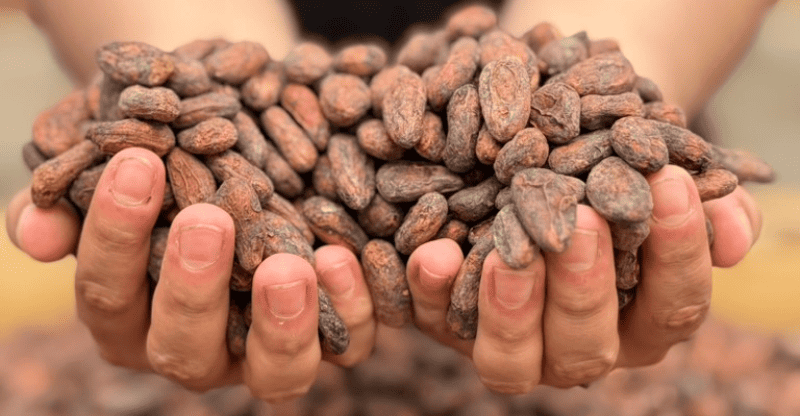
The cocoa bean—also known as the cacao seed—is the dried and fermented seed of the Theobroma cacao tree. These beans serve as the fundamental raw material for chocolate production, cocoa powder, and various cacao-derived products. However, before it becomes your favorite chocolate bar, the cocoa bean undergoes a long and complex transformation.
Key Characteristics of Cocoa Beans
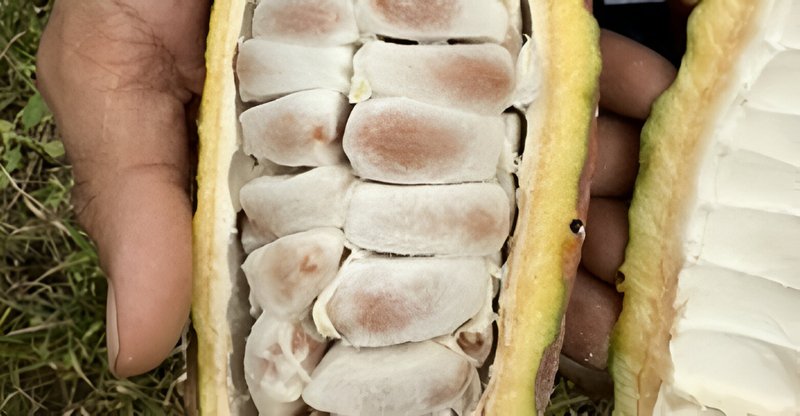
- Color: Fresh cocoa beans are ivory-white, transitioning to a rich mahogany brown after the fermentation and drying stages.
- Size: Typically ranging from 2 to 2.5 cm in length.
- Flavor Profile: Sensory notes can range from fruity and floral to nutty and bitter, depending on its terroir, origin, and processing.
- Nutritional Profile: A natural source of antioxidants, magnesium, and iron. It is rich in fiber, flavonoids, theobromine, and essential healthy fats
The Origins of the Cocoa Bean
The fruit of the cacao tree—more accurately known as the cacao pod—originates from a delicate flower pollinated by a tiny midge of the Forcipomyia genus. Measuring a mere 1 to 3 millimeters, these midges thrive in moist organic matter. As they mature, cacao trees flourish in warm, humid climates characterized by consistent rainfall and nutrient-rich soils. They are shade-loving plants, typically grown alongside banana trees and other native species within sustainable agroforestry systems.
- Colombia – Known for its fine-flavor cocoa with floral and fruity notes.
- Ecuador – Home to the highly sought-after Arriba Nacional variety.
- Ghana & Ivory Coast – The largest producers of bulk cocoa, supplying major chocolate brands.
- Peru & Venezuela – Famous for rare, high-quality cocoa varieties.
Cocoa trees thrive in humid, tropical climates with consistent rainfall and rich soil. They require shade, often growing under banana or other canopy trees in agroforestry systems.
The Journey: From Pod to Excellence
Unlike mass-processed chocolate laden with preservatives and additives, raw cacao is a nutritional powerhouse. Both the pulp and the seeds offer significant health benefits, and our process ensures these properties remain intact:
- Harvesting
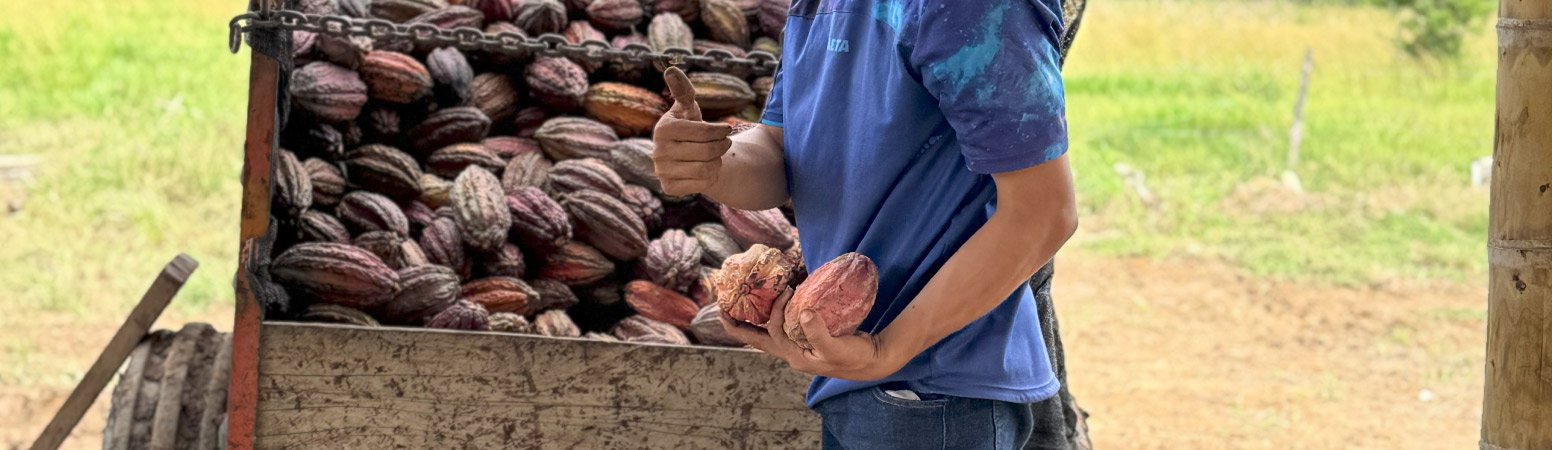
Cacao pods are meticulously harvested by hand to prevent any injury to the tree. Each pod yields between 20 to 50 beans, encased in a sweet, white pulp known as mucilage. This pulp plays a critical role in the stage that follows.
- Fermentation
Fermentation is the heart of our cacao’s sensory profile. Over a period of 3 to 7 days, we conduct a rigorous turning protocol within wooden fermentation crates. This allows the mucilage to transition through its alcoholic and acetic phases under optimal conditions. This precise technical control is what transforms the flavor precursors, developing the complex aromas and exceptional profile that define Ariari Growers.
- Drying
Following fermentation, the beans are sun-dried using indirect methods to reduce moisture content. Constant turning is essential to ensure a uniform result and prevent any mold growth. This stage is paramount to guaranteeing the stability and quality of the final product.
- Roasting & Milling
Roasting awakens the rich, chocolatey notes of the beans. Once roasted, they are milled into cocoa liquor (or cocoa mass), which can be further processed into premium cocoa butter or fine cocoa powder
Cacao vs. Cocoa: Understanding the Distinction
While the terms cacao and cocoa are often used interchangeably, there is a fundamental technical difference:
- Cacao Beans: Refers to the raw, unprocessed seeds directly from the pod in their most natural state.
- Cocoa Beans: Generally refers to the beans once they have been fermented, dried, or roasted—ready for chocolate production.
- In summary: “Cacao” is the botanical and raw version, while “cocoa” denotes the processed ingredient used in chocolate and culinary applications.
Health Benefits of the Cacao Bean
Beyond their exquisite flavor, cacao beans are a powerhouse of nutrients and bioactive compounds that offer significant health advantages:
- Rich in Antioxidants: Cacao is packed with flavonoids, which help reduce inflammation and combat oxidative stress at a cellular level.
- Cardiovascular Support: Regular consumption is linked to enhanced blood circulation and a healthy reduction in blood pressure.
- Enhanced Mood and Cognitive Function: Cacao contains theobromine, a natural stimulant that provides mental clarity and focus without the “jitters” typically associated with caffeine.
- A Natural Energy Source: Unlike processed chocolate, pure cacao beans provide sustained energy through a perfect balance of essential nutrients and healthy fats.
Cocoa Beans in the Global Market
The cocoa bean industry is booming, with demand rising for high-quality and sustainably sourced cocoa. Key trends shaping the market include:
Rising Demand for Fine Flavor Cocoa – Artisanal and bean-to-bar chocolate makers seek premium-quality beans.
Ethical and Sustainable Cocoa Farming – Consumers prefer fair trade and organic cocoa to support farmers and reduce environmental impact.
Cocoa in Superfoods & Beverages – Cocoa nibs and cacao-based drinks are gaining popularity for their health benefits.
If you’re in the chocolate or food industry, sourcing premium cocoa beans can give you a competitive edge.
How to Source Premium-Grade Cacao Beans
Not all beans are created equal. For those in the fine chocolate industry or looking for bulk specialty supply, consider these critical factors:
- Origin: Single-origin cacao, such as that from the Meta region in Colombia, offers more distinctive flavor profiles and superior traceability.
- Fermentation Quality: Properly fermented beans are essential for developing deep, complex flavor notes.
- Processing Method: Sun-drying preserves the delicate natural aromas far better than artificial mechanical drying.
- Sustainability and Ethics: Ensure your beans are Fair Trade certified and grown using sustainable practices.
Supporting ethical production not only helps preserve vital rainforests but also provides long-term economic stability for local farming communities, such as our team at Ariari Growers
Supporting sustainable cacao farming helps preserve rainforests and provides economic stability for local farmers.
Conclusion The Significance of the Cocoa Bean
From tree to bar, the cocoa bean remains the heartbeat of the global chocolate industry. Whether you are a chocolate connoisseur, a health-conscious consumer, or a business in pursuit of premium-grade beans, understanding its journey allows you to appreciate the craftsmanship and sustainability woven into every bite.
Seeking Premium Colombian Cocoa Beans?
At ARIARI GROWERS, we specialize in the export of sustainably cultivated, high-quality Colombian cacao. For chocolatiers, wholesalers, and enterprises seeking ethically sourced origin beans, we provide the excellence and reliability your brand deserves.
Contact us today to explore our selection and place your order:
Discover the authentic soul of Colombian cacao and bring the finest of Latin America to your creations.